
- Aaron Rose
- No comment
- December 3, 2025
QE Is Back (Unofficially) – And Here’s What It Really Means for the Housing Market in Alabama
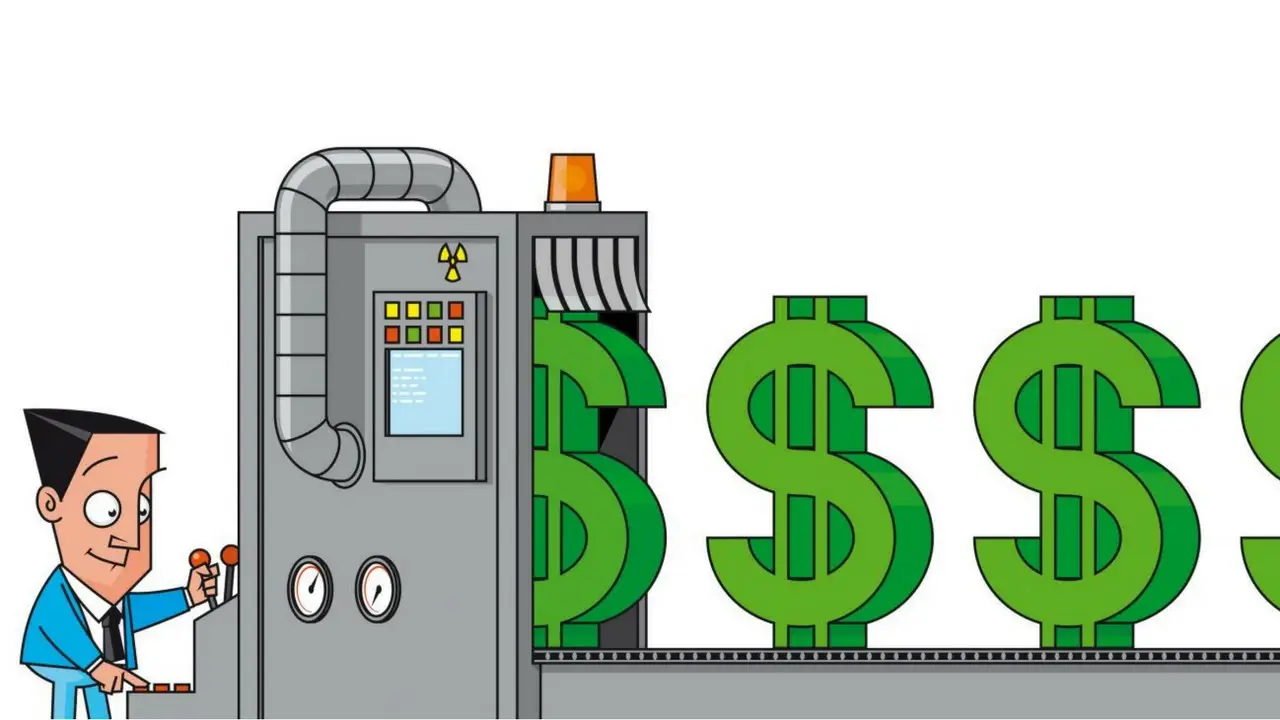
When the Federal Reserve injects $29.4 billion into the financial system — the largest liquidity pump since the COVID pandemic — that’s not business as usual. That’s a flare shot straight into the sky.
And this week, the Fed did exactly that.
Combine that with another $25 billion repo operation using $12.5B in Treasuries and $12.5B in mortgage-backed securities, and it’s clear:
Quantitative easing is quietly returning through the back door — whether they want to admit it or not.
This is happening before the shutdown is even fully absorbed.
This is happening after months of tight monetary policy.
And this is happening in spite of the Fed’s official stance of fighting inflation.
So let’s break down what it means — especially for the housing market.
1. The Fed Is Plugging Liquidity Holes — That Means Something Broke
Liquidity injections don’t just “happen.”
Banks only sprint to the repo window when:
- Balance sheets are stressed
- Liquidity is thin
- Short-term funding is strained
- There’s fear behind the curtain
This mirrors the September 2019 repo crisis, when the Fed had to run emergency repo operations for months to prevent a funding meltdown.
Same story today:
Different year, same playbook.
And what happened after 2019?
QE. Interest rate cuts. Asset inflation. A housing boom.
History doesn’t repeat — but it rhymes with a megaphone.
2. This Is QE in Everything But Name
The Fed claims to be “ending quantitative tightening” and “not restarting QE.”
But when you inject tens of billions into:
- Treasury markets
- Mortgage-backed securities
- Bank balance sheets
- Primary dealer liquidity
…that is QE.
They just don’t want to say the word.
Why?
Because admitting QE means admitting the system is wobbling again.
But the markets know.
The banks know.
Traders know.
Crypto knows — Bitcoin immediately bounced on the liquidity pump.
Liquidity pushes asset prices up.
It always has.
It always will.
And housing is one of the most liquidity-sensitive assets on Earth.
3. Don’t Expect Home Prices to Drop — Not Meaningfully
People waiting for a “crash” don’t understand how liquidity works.
Here’s the hard truth:
You cannot get a housing crash when the Fed is injecting liquidity into MBS markets.
It’s mathematically impossible.
When the Fed buys or finances mortgage-backed securities:
- Mortgage rates stabilize
- Lenders get breathing room
- Credit availability improves
- Refinances become possible again
- Risk appetite returns
- Housing demand finds a floor
Even if the broader economy slows, liquidity props up asset values, and housing almost always benefits first.
This is why home prices didn’t crash during COVID — they exploded.
This is why home prices rose even during 7%–8% rates.
This is why Alabama markets like Baldwin County continue rising despite national cooling.
4. Local Impact: Alabama Won’t See Price Drops — Just a Slow Shift in Who Buys
South Alabama is especially sensitive to Fed liquidity because of:
- In-migration from higher-priced states
- Investors buying rental properties
- Tourism-driven coastal markets
- Strong jobs growth around Mobile + Baldwin
- Limited new home inventory
Liquidity doesn’t create more houses — it creates more ability to buy the houses that exist.
Translation:
Prices stay firm or rise. Inventory stays tight. Buyers stay frustrated. Sellers keep the leverage.
Even Mobile County — which has softened recently — won’t fall far with liquidity flowing again.
You might get smaller monthly fluctuations.
You will not get 2008-style declines.
5. The Long-Term Consequences Aren’t Pretty
Returning to QE has a cost:
• Long-term inflation pressure returns
More liquidity = more money chasing assets.
• First-time buyers get squeezed
Prices stabilize before wages do.
• Investors come back earlier than expected
Low rates + liquidity = investor appetite.
• Alabama becomes even more attractive
Out-of-state buyers will continue gobbling up property in Baldwin, Mobile, and surrounding counties.
• Normal people get priced out — again
This is the unfortunate side effect.
Housing becomes a financial asset
—not a basic necessity—
whenever liquidity pumps accelerate.
6. Bottom Line: If You’re Waiting for Lower Prices, You’re Waiting for Something That Isn’t Coming
The Fed doesn’t do $29.4 billion “liquidity injections” unless they’re preparing for:
- rate cuts
- easing
- stabilization
- asset support
In other words:
Housing prices aren’t going down — the Fed just put a floor under the market.
If anything, QE-lite means:
- lower rates in 2025
- stronger buying power
- more demand
- firmer prices
- a renewed seller’s market
Especially in growing areas like Coastal Alabama.
If You Want to Understand What This Means for Your Buying Power
Rates are going to shift — fast.
Liquidity changes markets faster than headlines can explain it.
If you want clarity on:
- what you qualify for
- how much home you can afford
- how rate drops may impact your budget
- whether waiting helps or hurts you
I’m here to give you honest answers, without the fluff.
Because if the Fed is easing again — even quietly — this housing market is about to get very competitive, very fast.
Source: Singh, Varinder. “US FED Injects $13.5B in Liquidity Overnight as QT Ends, Bitcoin & MSTR Stock React.” Yahoo Finance, 2 Dec. 2025, finance.yahoo.com/news/us-fed-injects-13-5b-104021736.html. Accessed 3 Dec. 2025.